

Climbing Chalk - A Buyers Guide
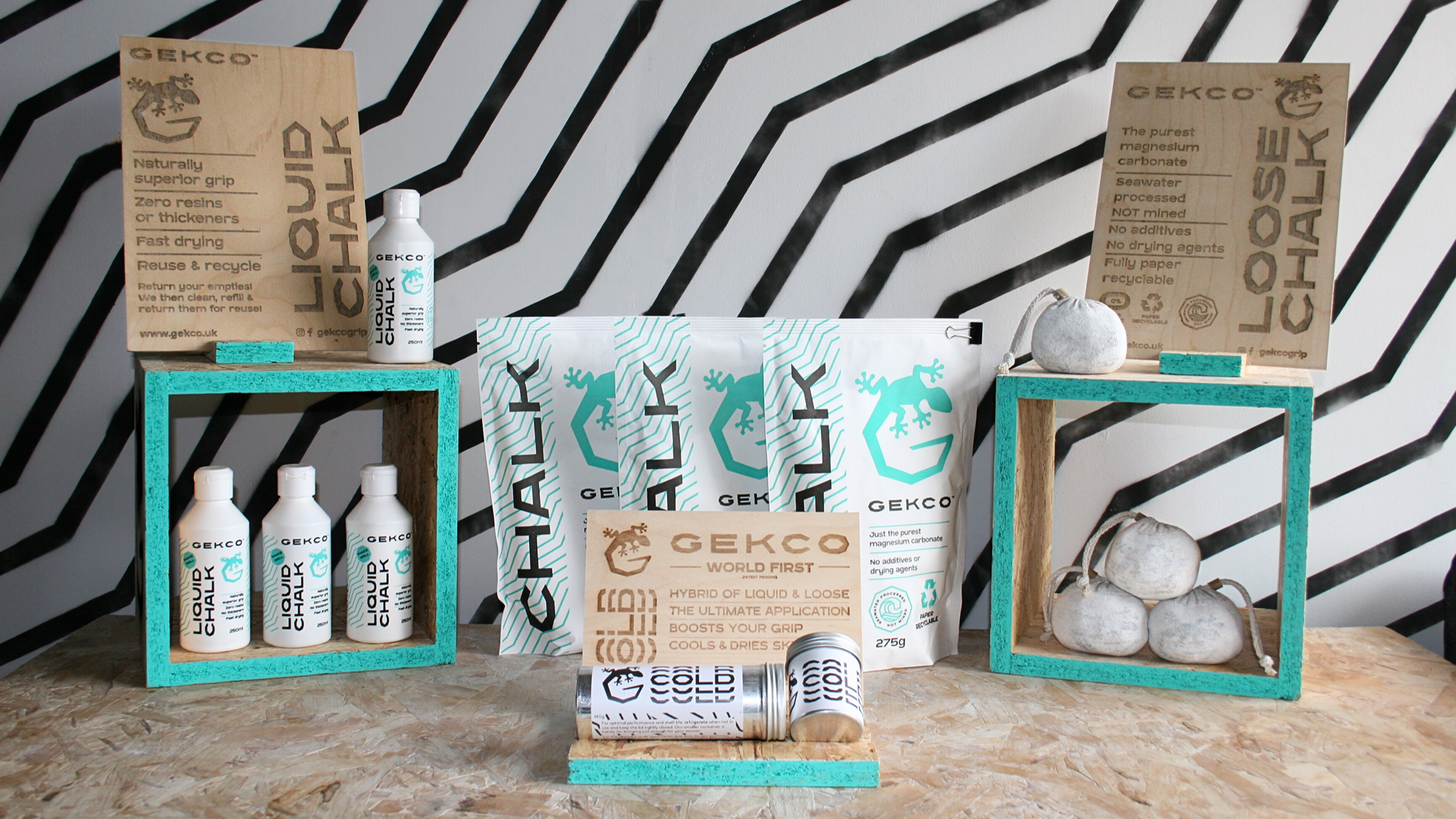
Whether you’re heading to an indoor wall for the first time or a seasoned pro tackling another outdoor project, one thing’s for sure - good chalk makes all the difference. You may think ‘but chalk’s just chalk, right?!’ well not exactly, which is why there are so many different types on the market.
First things first, whatever form of chalk you’re buying, make sure it’s seawater processed not mined, as this means it’s higher purity and therefore better for your performance and the environment. Secondly, make sure the chalk product you’re buying doesn’t contain any nasty ingredients. These can often be hard to spot as brands tend to use ambiguous terms to confuse you, so just make sure to avoid anything that has resin, rosin, thickeners, drying agents, bulking agents etc. You want your chalk to just say ‘magnesium carbonate’, and ‘alcohol’ if it’s liquid chalk.
Now we’ve got the basics out of the way, let’s dive into each type of chalk, who they’re best for, and some pros and cons of each!

CHALK BALLS
FOR THE NEW CLIMBERS
Chalk balls are a popular choice for people starting out on their climbing journeys. They’re a low cost option, making them perfect for new climbers who don’t want to invest too much in gear straight away. A chalk ball is simply loose chalk wrapped in a porous material, allowing precise and even distribution by gently pressing the ball. However, one of the main issues is that they only hold so much chalk, and therefore when you run out you have to buy a whole new ball. Instead opt for one of our hemp refillable chalk balls to help both your wallet and the planet!
PROS: Low cost, easy option, even distribution
CONS: Most are one-time use made of plastic mesh, not great for sweaty skin
LOOSE CHALK
FOR EVERY CLIMBER OUT THERE
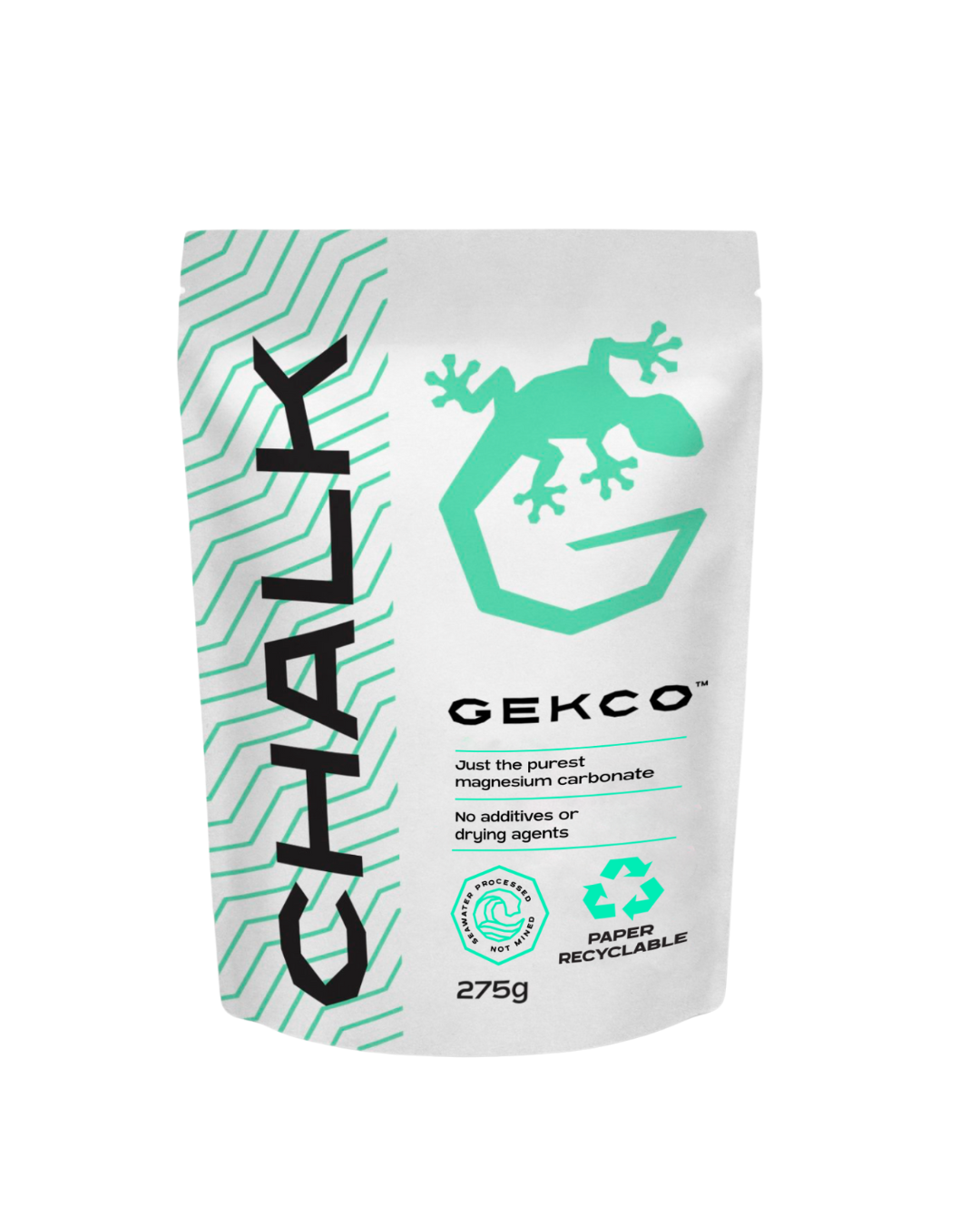
The most versatile option, and definitely the most common: loose powder. This popular format comes in different consistencies, from fine to chunky, so there’s an option for every climber and every skin type. It’s usually poured into a chalk bag or boulder bucket, which allows you to dip your hands in whenever and wherever. Loose chalk should be pure magnesium carbonate, so make sure there are no additives, bulking agents, or drying agents as these can be detrimental to your performance and be harmful to your skin.
PROS: Affordable, quick application, versatile
CONS: Creates more dust, need to buy a chalk bag, many brands contain bulking agents
Liquid chalk
FOR THE SWEATY-Skinned climbers
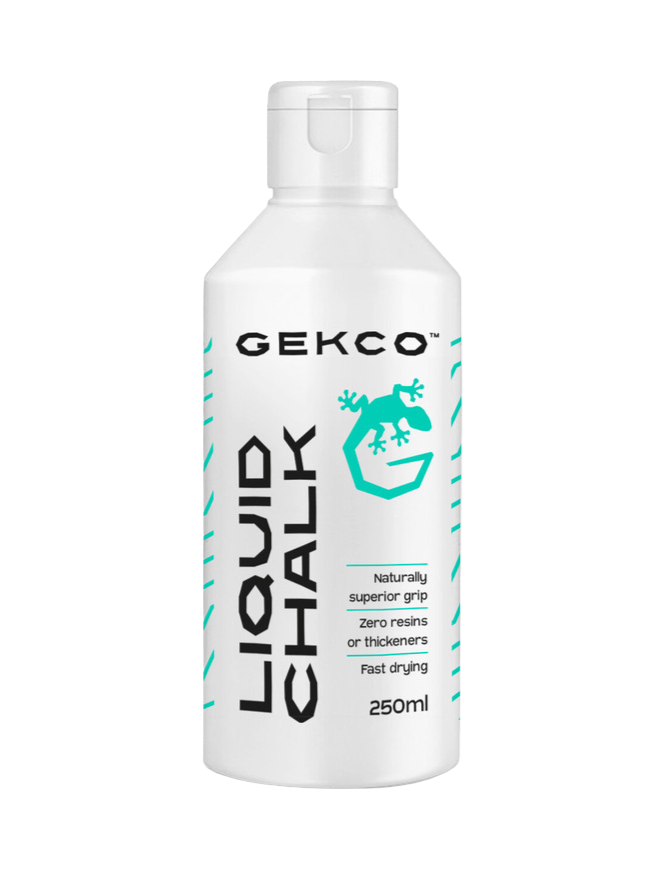
Liquid chalk should be a mix of only magnesium carbonate and alcohol which you apply directly to your hands. Once the alcohol evaporates, you’re left with a very dry and even layer of chalk. This layer is longer-lasting than regular loose chalk, and is more effective for sweaty hands due to the cooling effect of the evaporation. Often liquid chalks have a bad reputation, but this is due to some brands including resins and thickeners (not us!) - you can find out more about why this is a problem here.
PROS: Less dust, cools sweaty skin, easy to apply, long-lasting, easy to transport.
CONS: Can’t reapply whilst climbing, some brands are less good for sensitive skin, some contain resins/thickeners
PERFORMANCE CHALK
For the performance-chasers
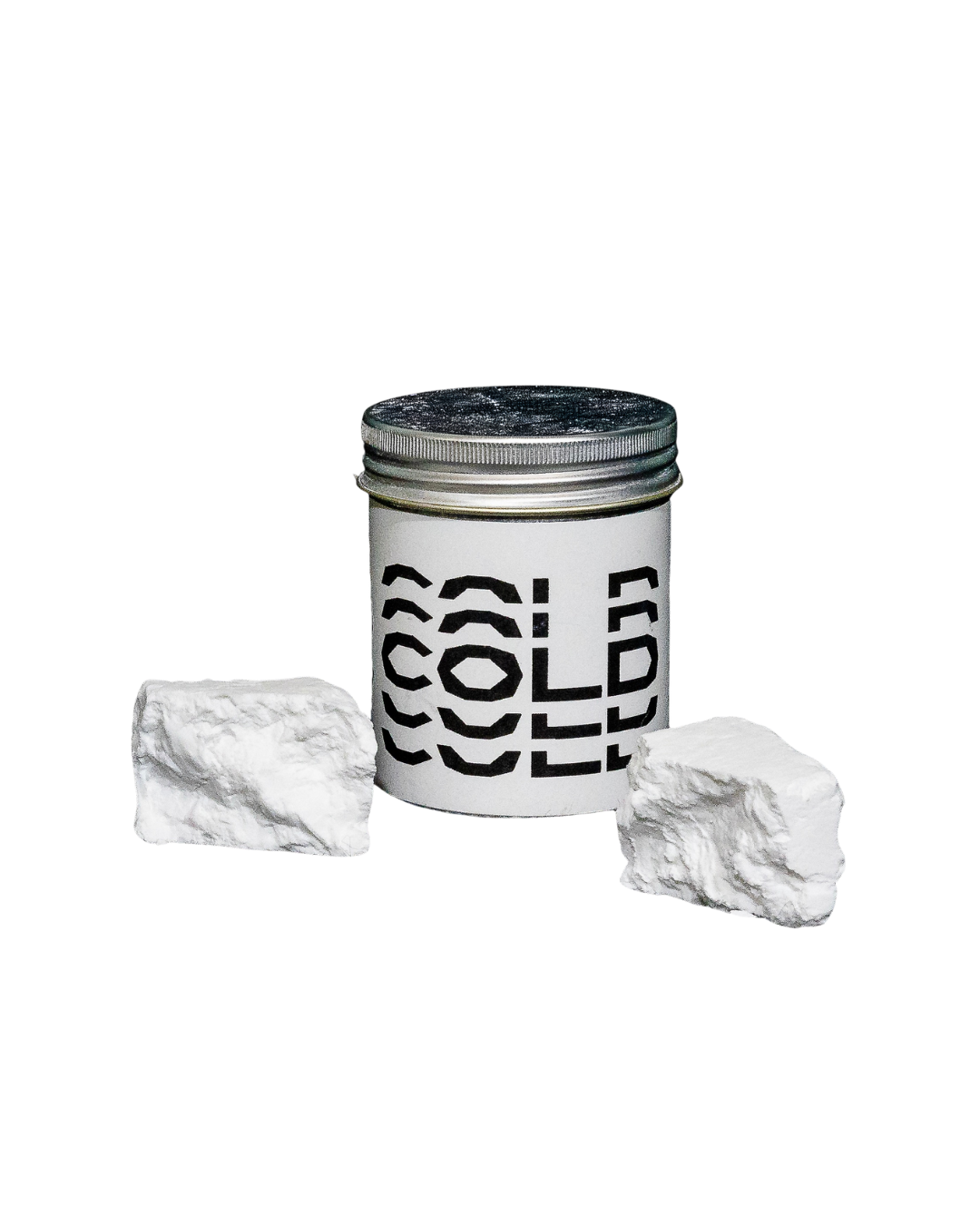
There’s a wide range of performance-enhancing chalk products out there, it’s just a matter of finding ones that are right for you. One example is our world’s first COLD, which is essentially a hybrid between liquid and loose with insane cooling capabilities. This format crumbles into a loose powder but has the cooling effect of a liquid chalk, perfect for those who aren’t a fan of liquid chalk but need a bit of help tackling their sweat. You can either use a small nugget directly on your hands or crumble a cube into your chalk bag, mix with regular chalk, and it’ll cool your whole chalk bag down for up to 3 days in cooler temps!
PROS: Combats sweat, convenient, effective, great for performance and comps
CONS: More expensive than regular chalk